
How Long Does It Take to Recover from a Tooth Extraction?

Many people expect recovery to follow a fixed timeline, but healing after a tooth extraction is far more individual. Two patients can have the same tooth removed on the same day and recover at different speeds. The amount of inflammation present before treatment, the condition of the tooth, your general health, and how well the extraction site is cared for all influence what recovery looks like.
If you’ve recently visited a dentist in Wyckoff, knowing how healing normally progresses can help you feel more confident about what you’re experiencing and recognize when it’s appropriate to contact your dental office.
Understanding the Tooth Extraction Recovery Process
Once a tooth has been removed, your body immediately begins rebuilding the area where it once sat. The priority is to stabilize the socket so that the underlying tissues can begin repairing themselves. Over the following days, the gums gradually close while the deeper tissues continue to recover beneath the surface.
Although the opening in the gums may become smaller fairly quickly, healing is still taking place below it. That is why your mouth may continue adapting long after the area begins to feel more comfortable.
Rather than trying to speed up recovery, the goal is to avoid interrupting the body’s natural repair process.
Factors That Affect Recovery Time
Recovery is influenced by several clinical and personal factors, not simply by the extraction itself.
A tooth that can be removed easily usually causes less disruption to the surrounding tissues than one that is broken, impacted, or requires a surgical approach. Healing may also take longer if an infection was present before the extraction or if the surrounding bone required additional treatment during the procedure.
General health also plays a role. Smoking, poorly controlled diabetes, certain medications, and conditions that affect the immune system may slow tissue repair. Even the location of the tooth matters because back teeth are exposed to greater chewing forces than front teeth.
What to Expect During the First 24 Hours
The first day is less about feeling better and more about allowing the extraction site to stabilize.
Some light bleeding or blood-stained saliva is common for several hours after the procedure. As the numbness gradually wears off, mild soreness, swelling, or stiffness around the jaw may become noticeable. Using a cold compress during the first day and taking any recommended medication as directed can make this period more comfortable.
Activities that create suction or place unnecessary pressure on the extraction site, such as drinking through a straw, smoking, vigorous rinsing, or repeatedly touching the area with your tongue, should be avoided because they can interfere with the earliest stage of healing.
Recovery Timeline: What Happens Over the First Week?
Days 1–2
The extraction site is at its most sensitive. Resting, staying hydrated, and eating soft foods help minimize irritation as the tissues begin to repair themselves.
Days 3–5
Most patients notice that swelling starts to settle and everyday activities become more comfortable. Mild tenderness while chewing may persist, especially after more complex extractions.
Days 6–7
The gums continue closing over the extraction site, and many people begin returning to their usual routine. Even so, the area is still healing and should not be exposed to unnecessary chewing pressure.
Beyond the First Week
Visible healing often progresses faster than internal healing. While the gums may appear to recover within a few weeks, the bone beneath the extraction site continues remodeling for much longer. Follow-up visits allow your dentist to confirm that recovery is progressing as expected and discuss the appropriate time to consider replacing the missing tooth if needed.
Tips for a Faster and Smoother Recovery
Healing is usually more comfortable when the extraction site is left undisturbed during the first few days.
To support recovery:
- Take medications exactly as prescribed.
- Brush and floss normally, but gently clean around the extraction site.
- Support the healing process by drinking plenty of water and getting enough sleep and rest.
- Avoid smoking or tobacco products.
- For the best recovery, carefully follow your dentist’s instructions after treatment.
Small precautions early on often reduce the chance of unnecessary healing problems.
Foods to Eat and Avoid After Extraction
Soft foods place less pressure on the healing area. Yogurt, mashed potatoes, scrambled eggs, oatmeal, and smoothies eaten with a spoon are usually comfortable choices during the first few days.
As chewing becomes easier, gradually return to your regular diet. Until then, avoid hard, crunchy, sticky, or spicy foods, and do not drink through a straw unless your dentist says it is safe.
Common Symptoms During Healing
Some changes are expected while the tissues recover.
You may notice:
- Mild soreness
- Swelling around the extraction site
- Jaw stiffness
- Slight bruising
- Light blood-tinged saliva during the first day
These symptoms should gradually become less noticeable over time.
Signs of Complications to Watch For
Arrange a dental evaluation if you experience:
- Bleeding that does not stop with gentle pressure
- Pain that becomes worse after several days
- Increasing swelling
- Fever or chills
- Drainage from the extraction site
- Difficulty opening your mouth or swallowing
Prompt treatment often prevents more serious complications.
When to Contact Your Dentist
Recovery should gradually become easier each day. If pain, swelling, or bleeding worsen rather than improve, contact your dental office promptly.
If persistent symptoms have you searching for a dentist near me, an early evaluation can identify the cause before the problem becomes more difficult to treat.
Final Thoughts
Most tooth extractions heal predictably when the extraction site is properly cared for. Following your aftercare instructions, eating appropriate foods, and attending follow-up visits all support a smoother recovery.
At Elliot P Frey, DMD, every patient receives personalized guidance based on the procedure performed and their individual oral health needs. If you need care from an experienced tooth extraction dentist, timely follow-up can help ensure your recovery stays on track.
Frequently Asked Questions
How long does recovery usually take after a tooth extraction?
Many people feel noticeably better within a few days, although complete healing of the underlying tissues takes longer.
When can I brush after a tooth extraction?
You can brush your other teeth the same day, but avoid disturbing the extraction site until your dentist advises otherwise.
Is swelling normal after an extraction?
Yes. Mild swelling is expected during the first few days and usually begins to improve after 48 to 72 hours.
When can I eat regular foods again?
Return to your usual diet gradually as chewing becomes comfortable, avoiding hard foods until the area has healed sufficiently.
When should I call my dentist?
Contact your dentist if you develop worsening pain, increasing swelling, persistent bleeding, fever, or drainage from the extraction site.
Related Blogs
Vestibulum liberi rutrum a dui ac, porttitor blandit usce lectus mi, ultricies suscipit ligula
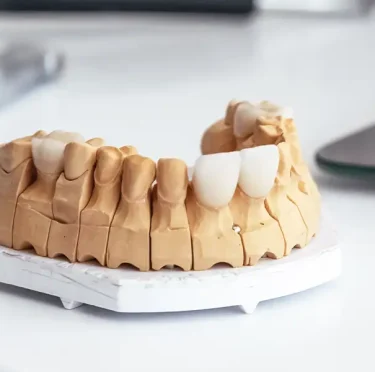
Veneers With an Overbite: Can They Fix It or Should You Wait?
October 1, 2026If you are considering veneers with an overbite, it helps to separate cosmetic improvement from bite correction. Veneers can change...
Read More >>
Dental Filling Aftercare: A Complete Guide to Recovery and Care
September 1, 2026A filling repairs decay-damaged tooth structure, but the area may feel different briefly afterward. Local anesthetic can leave the cheek,...
Read More >>
What Is Sleep Apnea and Why Should You Take It Seriously?
July 1, 2026Loud snoring may seem harmless, but it can sometimes point to a more serious condition called sleep apnea. Millions of...
Read More >>
What Should You Avoid After Getting a Dental Crown?
May 1, 2026A dental crown is a common treatment used to restore a tooth that is damaged or weakened. While the procedure...
Read More >>